Environmental testing
Asbestos testing and surveys
Asbestos is common in older Utah buildings. Left intact and alone, it is generally not an emergency. It becomes a project when renovation or demolition will disturb it. Daytona Environmental, a division of Daytona Restoration, is led by Jonathan Hernandez, president and industrial hygienist. He samples the materials and explains what Utah requires.
This is testing and a written survey. Removal is a separate asbestos-abatement quote, after you know what is there.
5.0 on Google, 3 reviews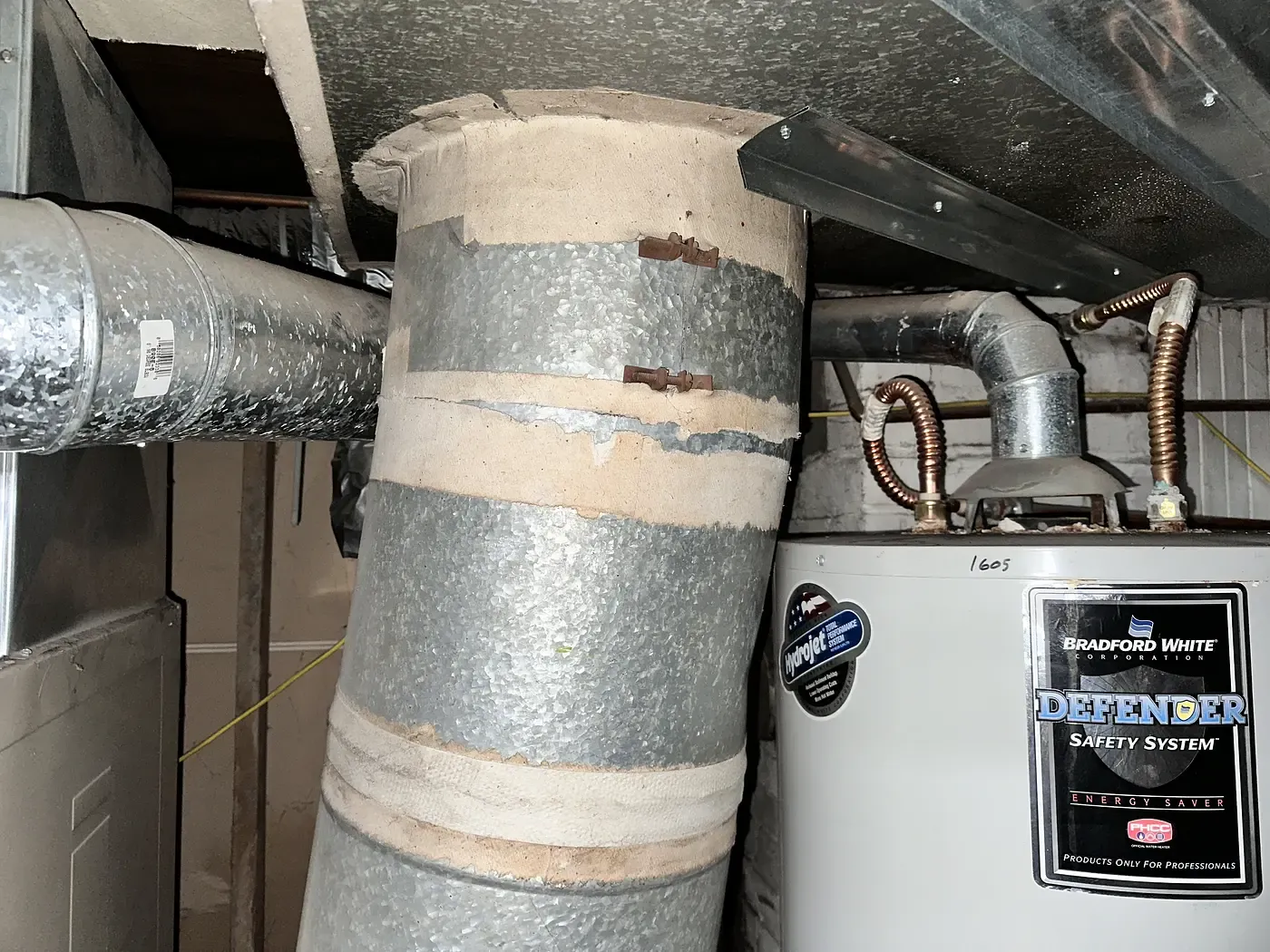
You cannot tell by looking
The only way to know is a laboratory result. Homes built before 1980 are the most likely to contain asbestos, and Utah’s asbestos rule still treats many homes built before January 1, 1992 as needing an inspection before a contractor renovates or demolishes them. Newer does not automatically mean clear.
We take tiny pieces from the material in question and send them to an approved laboratory, which reports a percentage of asbestos or a non-detect.
- Popcorn and other spray-on textured ceilings
- Vinyl floor tile, sheet flooring, and the mastic underneath
- Drywall joint compound and wall texture
- Pipe, boiler, and duct insulation
- Vermiculite attic insulation
- Some plaster, siding, and roofing
Utah rules, in plain language
Under Utah Admin. Code R307-801, a homeowner doing the work on the single-family home they live in is generally exempt from the rule, including the inspection requirement, when the home is not otherwise a NESHAP facility. Friends and family may help only as unpaid volunteers. The moment you hire a contractor, that contractor needs an inspection by a Utah-certified inspector before disturbing suspect materials, unless the home was built on or after January 1, 1992. Landlords and anyone working on a home they do not live in are covered. Condo complexes with more than four units are covered.
Demolition usually requires an inspection and a notification to Utah DAQ, with a waiting period of at least ten working days, except for some residential buildings of four or fewer units built on or after January 1, 1992 that are not NESHAP facilities. Removing a load-bearing structural member counts as demolition. Utah DAQ’s guidance is to test a popcorn ceiling first and, if you do not test, to assume it contains asbestos.
The credential on the survey
Asbestos surveys from this company are issued under Daytona Environmental. Utah asbestos certification ASB-7678, company certification ASBC-842. Jonathan’s asbestos training also includes project designer, supervisor, inspector, and management planner.
Related
-
Asbestos abatement
Contain the work area, control fibers, remove or encapsulate what the plan calls for, and document the waste.
Asbestos abatement -
Air clearance
Samples collected after the cleanup, before the work area is released. Pass criteria depend on what was removed.
Air clearance -
Lead testing
Find out whether lead is in the paint or other materials you are about to disturb, and get it in writing.
Lead testing
Questions
Do I have asbestos?
Looking will not tell you. A laboratory has to test a piece of the material. Intact material you are not disturbing is generally not a reason to tear the house apart. Test before you sand, scrape, drill, or demolish suspect materials.
- Popcorn and spray-on ceilings
- Vinyl tile, sheet flooring, and mastic
- Joint compound and wall texture
- Pipe, boiler, and duct insulation
- Vermiculite attic insulation
- Some plaster, siding, and roofing
Can I remove a popcorn ceiling myself in Utah?
In some cases, yes. Under R307-801, people working on the home they live in have a limited exemption: unpaid help only, no exemption once a contractor is hired, no exemption for many multi-unit buildings, and asbestos waste that must be kept wet, bagged, labeled, and taken to a landfill that accepts it. Utah DAQ recommends testing first. A ceiling in good condition can often be left alone. DIY removal is physically hard, and some fiber release is unavoidable.
How much does asbestos testing cost?
We do not publish a price list. The price follows the number of materials, the size of the area, and how fast you need the laboratory. Abatement is a second quote after the results are in. You see the testing quote before samples are taken.
Do I need an asbestos inspection before demolition?
Usually, yes. Utah DAQ requires an inspection by a Utah-certified inspector before demolition, with an exception for some residential buildings of four or fewer units built on or after January 1, 1992 that are not NESHAP facilities. Demolition also requires notifying Utah DAQ at least ten working days ahead. Check the current requirement on your own project.
Reconstruction after the cleanup
Daytona Restoration, LLC is a Utah licensed general contractor, License #14024459-5501 (B100 General Building, E100 General Engineering), issued by the Utah Division of Professional Licensing. After the cleanup, remediation, or abatement, the same company can rebuild what that work removed, from the first call through reconstruction.
Ask before you schedule the paid work.
The consult is free. Samples, cleanup, and clearance are quoted first. We serve all of Utah from our home base in Davis County.